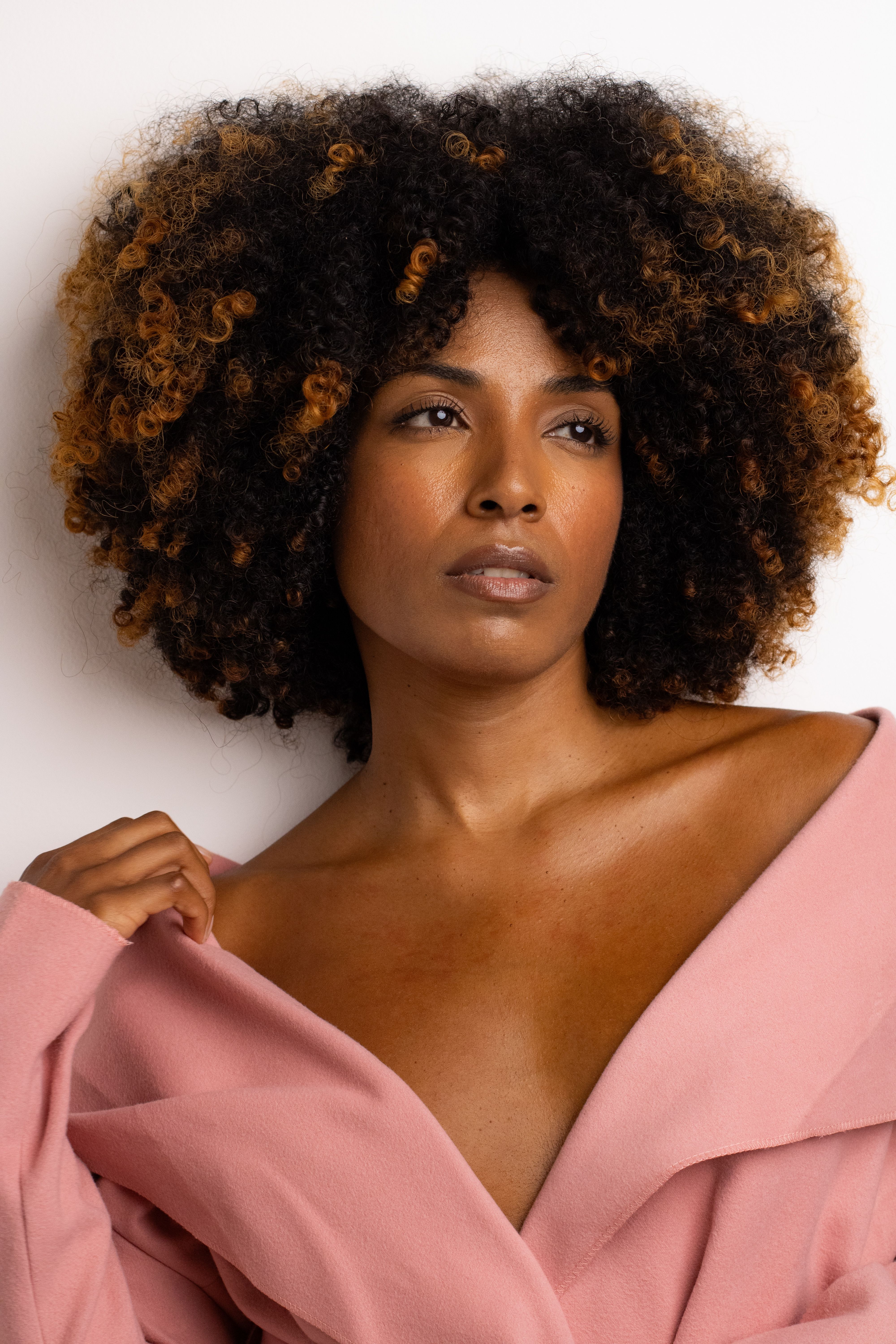

Springy Curls
Defined curls with noticeable spring and volume that may lose moisture throughout the week.
Routine Focus- Lightweight moisture
- Curl definition
- Frizz management

Your curl pattern is a useful starting point, but healthy hair care goes beyond a single number or letter. Learn how texture, moisture, porosity, and your daily habits work together.
Curl-pattern systems can help describe the general shape of your hair, but two people with the same curl pattern may still need very different routines.
Density, porosity, dryness, climate, styling habits, protective styles, and product buildup all affect how your hair responds to care.
Crown Theory focuses primarily on textures 3B through 4C.
Defined curls with noticeable spring and volume that may lose moisture throughout the week.
Routine Focus
Tighter, densely packed curls that often benefit from moisture and styling products with more slip.
Routine Focus
Small, visible coils that can shrink significantly and often respond well to consistent moisture.
Routine Focus
Dense strands with less uniform curl definition and significant shrinkage when hair dries.
Routine Focus
Tightly packed coils with major shrinkage and a strong need for moisture and careful manipulation.
Routine FocusPorosity describes how easily your hair absorbs and holds moisture. Understanding it can help explain why some products seem to sit on your hair while others disappear almost immediately.
Hair may take longer to absorb water and products can sometimes feel like they are sitting on top of the strand.
Try: Lighter layers and less product at once.Hair generally absorbs and retains moisture without needing major adjustments to the routine.
Try: A balanced cleanse, condition, and styling routine.Hair may absorb moisture quickly but can also lose it faster, leading to dryness between wash days.
Try: Layering moisture and sealing it in.You can always adjust later. A simple routine gives you a better baseline for learning what your hair needs.
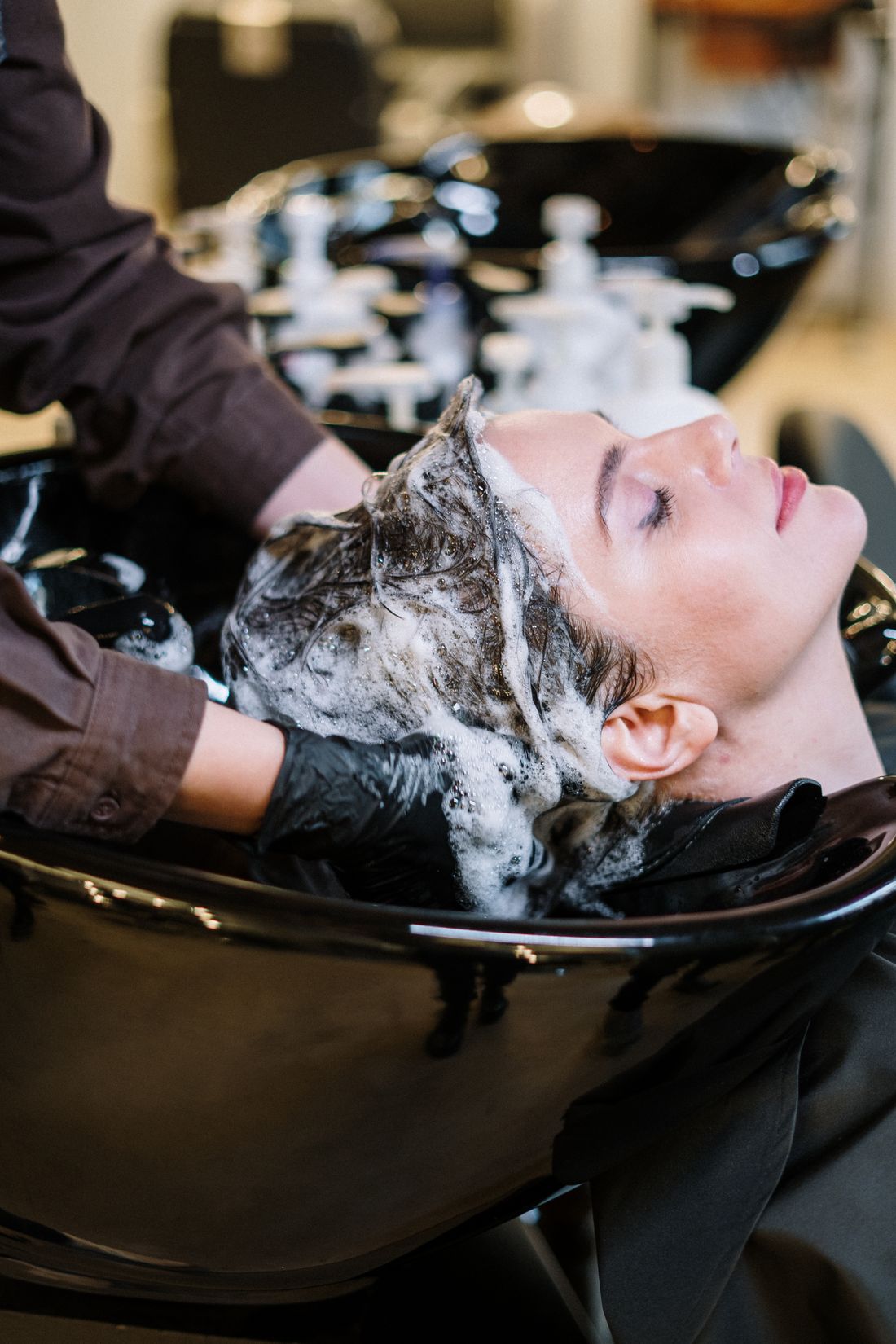
Remove product buildup, sweat, scalp oils, and residue without over-cleansing your hair.
Add moisture and slip after cleansing to make detangling and styling easier.
Choose your styling product based on whether you need definition, hold, softness, or protective care.
How you cleanse, detangle, and handle your hair during wash day can influence how manageable it feels afterward.
Allow water to fully reach your hair before applying cleanser.
Cleanse primarily where oils and buildup collect.
Moisture and conditioning can make separation easier.
Smaller sections can make dense curls and coils easier to manage.
Braids, twists, locs, and other low-manipulation styles can simplify your routine, but your scalp and natural hair still need care.
If your routine feels difficult to maintain, simplifying it may help you understand what your hair actually responds to.
Too many products at once can create buildup and make it difficult to tell what is actually helping.
A routine focused only on styling can overlook cleansing and scalp care.
A popular routine may not match your texture, schedule, or moisture needs.
Constantly replacing products makes it harder to understand what works consistently for your hair.
Start with moisture, definition, protective care, or deeper Type 4 support. Your routine can evolve as you learn more about your hair.